Heat exhaustion and heatstroke: when cooling is not enough
Dizziness, sweating and thirst after heat exposure can indicate heat exhaustion
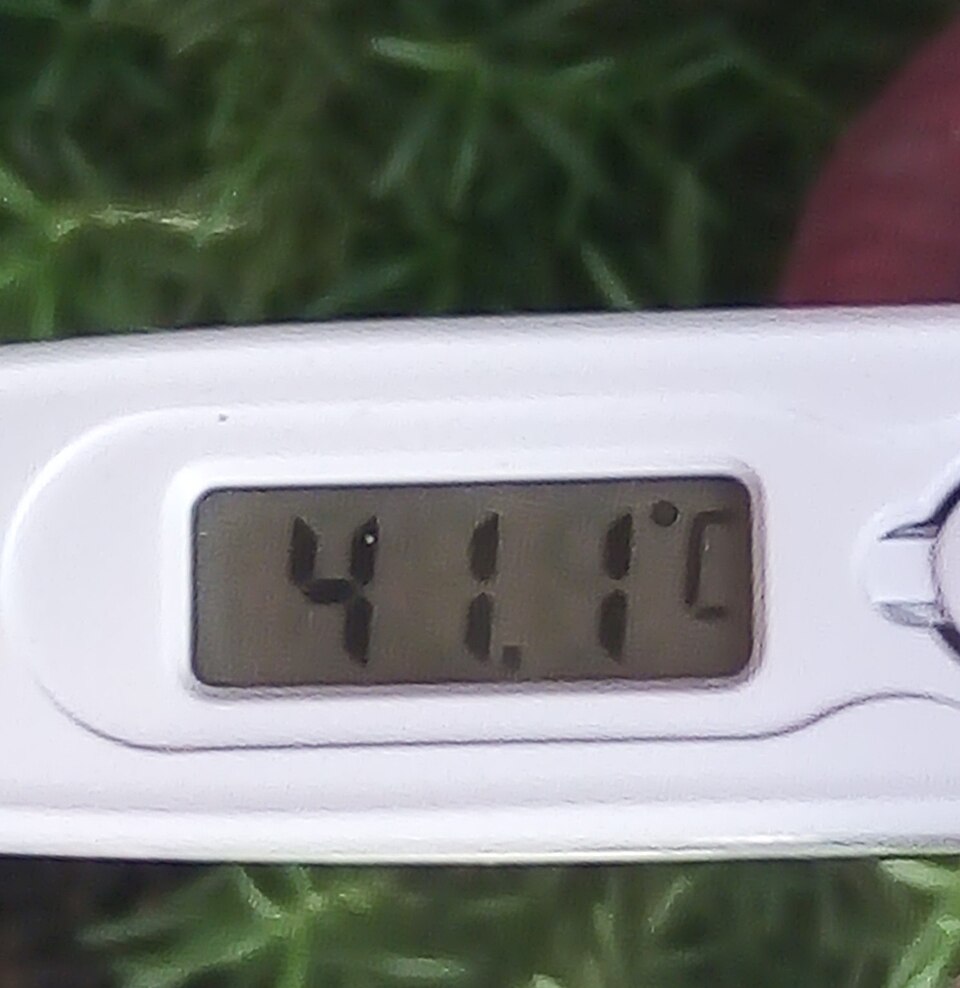
Dizziness, sweating and thirst after heat exposure can indicate heat exhaustion. Move the person somewhere cool, remove excess clothing, cool their skin with water and fanning, and offer fluids if they can drink safely.
Stay and monitor improvement. NHS guidance calls for emergency help if the person remains unwell after 30 minutes of cooling, rest and fluids. Confusion, seizures or loss of consciousness require immediate help without waiting.
Continue cooling while help arrives and follow emergency-service instructions. Reduce strenuous activity in heat and check vulnerable people; observing sweat alone is not an adequate safety assessment.
Source: NHS · Source date: 2026-05-28.
اقرأ النسخة العربية · Report an error or request a correction